
Hot Pour Soap Manufacturing: What Hot Pours Are and Why Brands Use Them
If you have spent any time around soap manufacturing, you have probably heard the phrase hot pours. It sounds simple enough. Heat the soap, pour it into molds, and let it set.
In reality, hot pour soap manufacturing is a carefully controlled process that combines chemistry, temperature management, and production expertise. When done correctly, it allows manufacturers to produce consistent, scalable soap products that meet both performance expectations and manufacturing demands.
For brands developing new products, understanding how hot pours work can help clarify why certain manufacturing methods are chosen and how those methods influence the final product.
What Are Hot Pours?
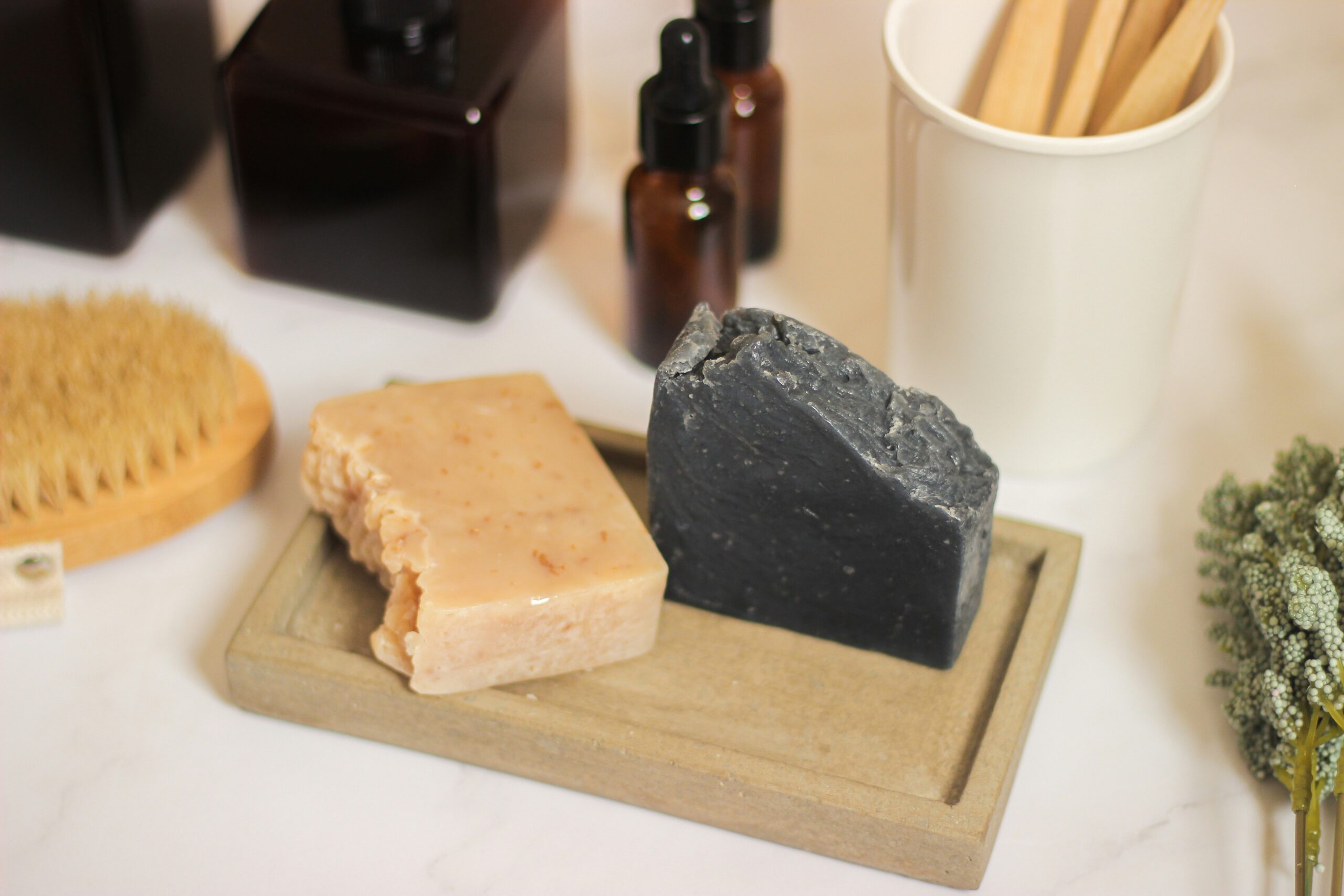
In soap manufacturing, hot pours refer to a production method where soap ingredients are heated, blended into a uniform mixture, and then poured into molds or forming equipment while still warm.
The heat helps keep the ingredients fully blended and allows the soap to flow smoothly into molds before it begins to solidify.
Once poured, the soap cools and hardens into its final shape.
This process can be used for both traditional soap formulas and modern cleansing bars depending on the ingredients involved.
Why Heat Matters in Soap Production
Temperature plays a critical role in soap manufacturing. Heating ingredients allows oils, surfactants, and additives to mix evenly and remain stable during the blending process.
Without sufficient heat, ingredients may separate or fail to combine properly.
Soap chemistry is built around the interaction between oils, water, and cleansing agents. The American Cleaning Institute explains that soap molecules lift oils and dirt from the skin so they can be rinsed away with water.
Maintaining proper temperatures during manufacturing helps ensure those cleansing properties remain consistent from batch to batch.
The Hot Pour Manufacturing Process
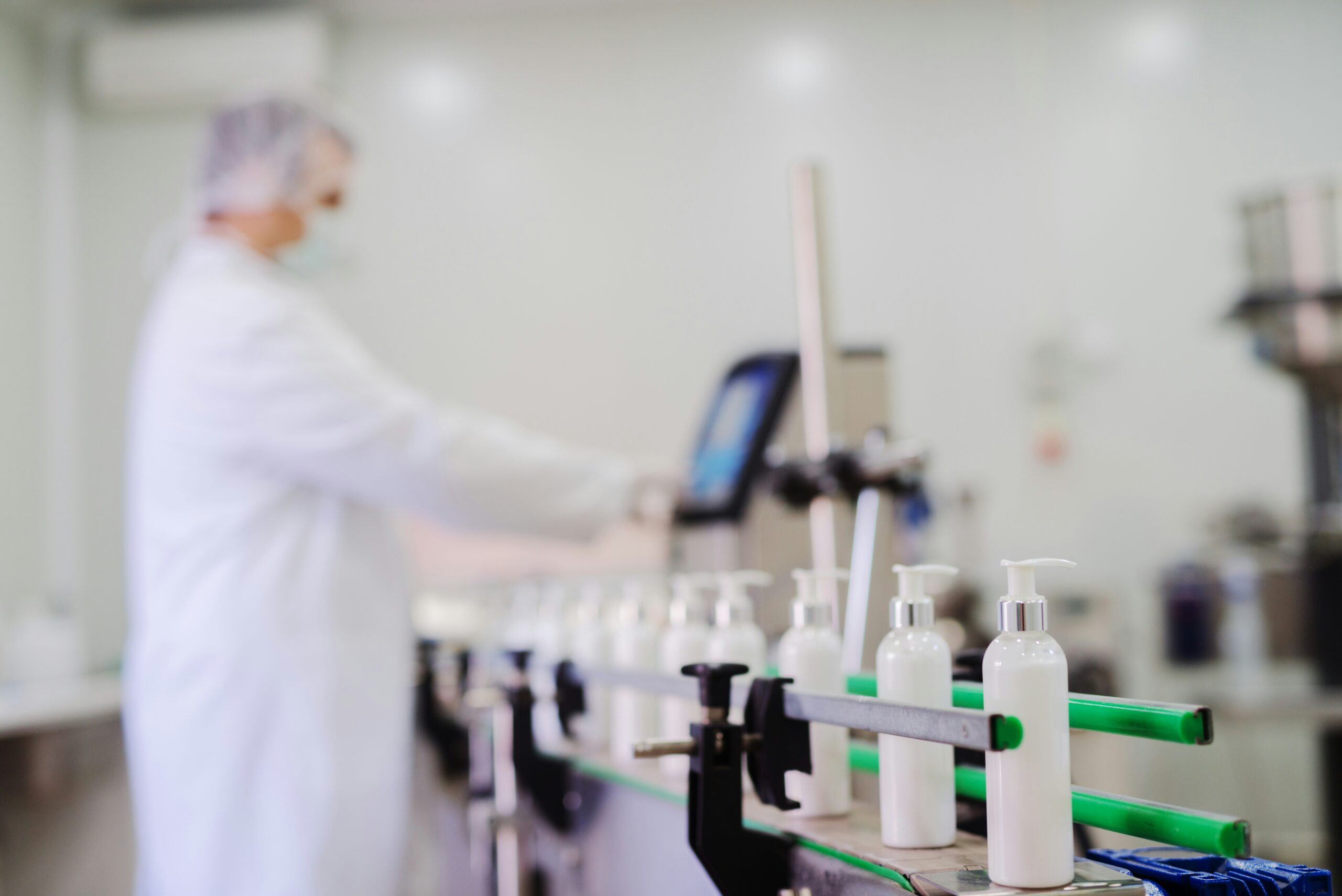
Although equipment and formulas vary, most hot pour soap manufacturing follows a similar series of steps.
Heating the Ingredients
Production begins by heating the base ingredients so they can blend smoothly. Oils, surfactants, and additives are combined in mixing tanks or kettles.
Temperature control is important at this stage because excessive heat can damage certain ingredients while insufficient heat may prevent proper mixing.
Blending and Homogenization
Once heated, the ingredients are blended to create a uniform mixture. Industrial mixers ensure that fragrance, color, and functional additives are evenly distributed throughout the batch.
This step helps ensure that each finished bar or product performs the same as the next.

Pouring Into Molds or Forming Equipment
After blending, the heated soap mixture is poured into molds or specialized forming equipment. Because the soap is still warm and fluid, it fills molds evenly and captures the intended shape and texture.
As the soap cools, it begins to solidify and take on its final form.
Cooling and Stabilization
Once poured, the soap must cool and stabilize. Cooling times vary depending on the formula, mold size, and manufacturing conditions.
During this stage, the soap transitions from a fluid mixture into a solid product ready for cutting, stamping, or packaging.
Advantages of Hot Pour Soap Manufacturing
Hot pours offer several practical advantages for manufacturers and brands.
Consistent production: Heating and controlled blending help ensure ingredients are evenly distributed throughout each batch.
Efficient manufacturing: Because the soap is poured while fluid, molds fill quickly and evenly, which supports larger production volumes.
Flexible formulation: Many types of ingredients can be incorporated during hot pour production, allowing brands to experiment with fragrances, additives, and textures.
These advantages make hot pours a widely used method in commercial soap manufacturing.
How Hot Pours Compare to Other Soap Manufacturing Methods
Different soap products require different manufacturing approaches.
Hot pours are just one of several common methods used in the industry.
Some manufacturers may also use cold process methods, which rely on chemical reactions between oils and alkali to form soap over time.
Other products may involve specialized formulation techniques depending on the type of cleansing system being used.
Understanding these manufacturing differences helps brands choose the method that best supports their product goals.
Why Manufacturing Expertise Matters
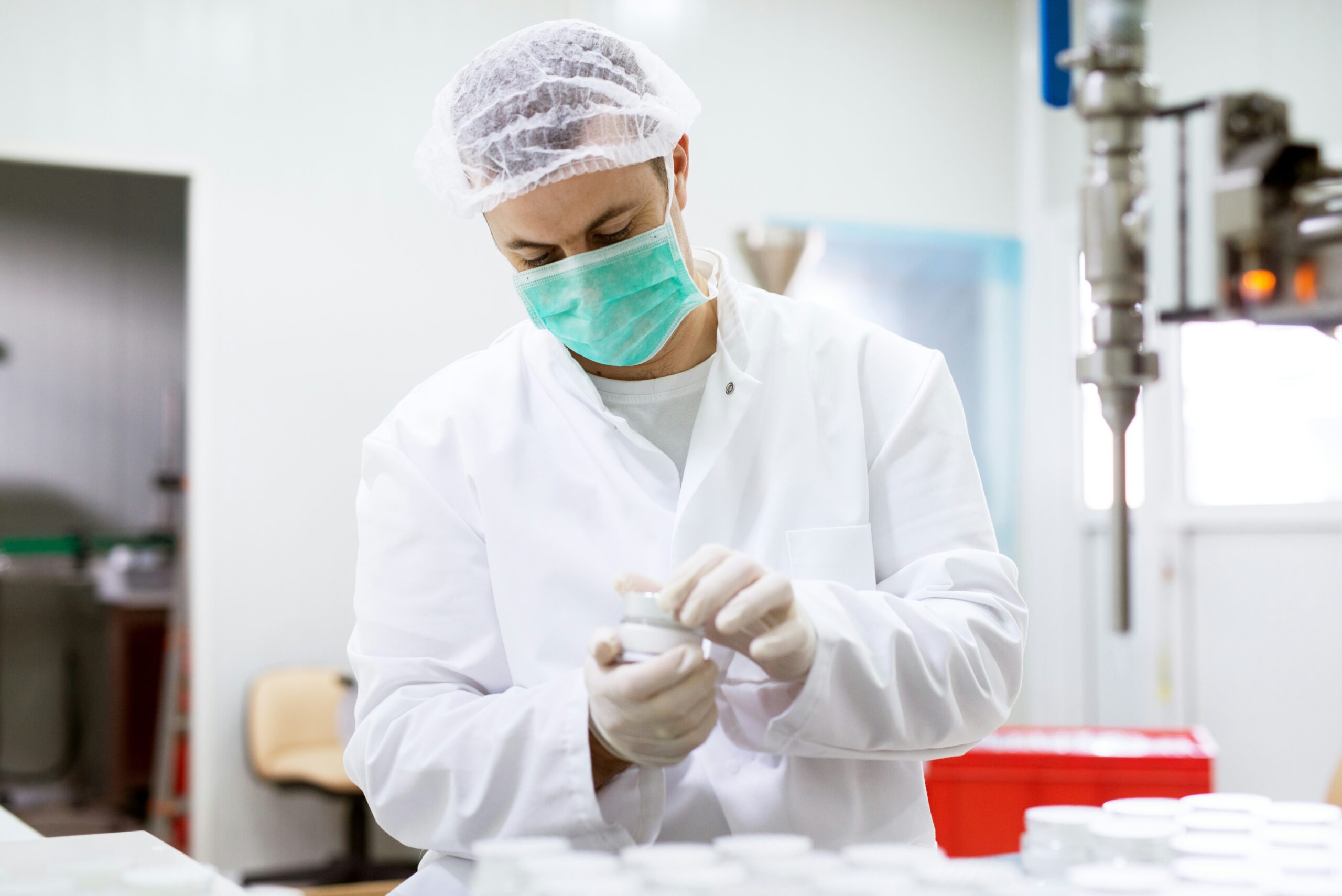
Soap manufacturing might look simple on the surface, but maintaining consistent quality requires careful control of formulation, temperature, mixing, and production timing.
Experienced manufacturers understand how these variables interact and how to scale production without sacrificing product performance.
That balance is what allows manufacturers to produce reliable products at commercial scale.
Bringing Hot Pour Soap Products to Market
Hot pour manufacturing plays an important role in producing consistent, scalable soap products. By heating ingredients, blending them carefully, and pouring the mixture into molds, manufacturers can create soaps that perform reliably across large production runs.
At Vanguard Soap, decades of manufacturing experience allow our team to guide brands through the complexities of formulation, production, and large-scale soap manufacturing. Our approach combines technical expertise with proven production methods that help bring new soap products from concept to market-ready production.
If you’re exploring soap manufacturing solutions or developing a new cleansing product, partnering with an experienced manufacturer can help ensure the process behind your product is just as strong as the brand built around it.