
Innovative Soap Formulation: How Custom Soap Formulation Brings New Products to Life

Most successful soap products do not begin with packaging or fragrance ideas. They begin with formulation.
Innovative soap formulation is the process of designing a soap recipe that delivers specific performance, ingredients, and brand positioning. For companies launching new personal care products, custom soap formulation allows brands to move beyond generic bases and develop something that truly reflects their vision.
Whether a company wants a moisturizing bar, a sulfate-free cleanser, or a plant-based formula, the formulation stage determines how the product will perform, feel, and scale in manufacturing.
Brands working with a custom soap manufacturer can create formulas tailored to specific ingredients, skin benefits, and performance goals.
Understanding how the formulation process works can help brands make smarter decisions as they develop new soap products.
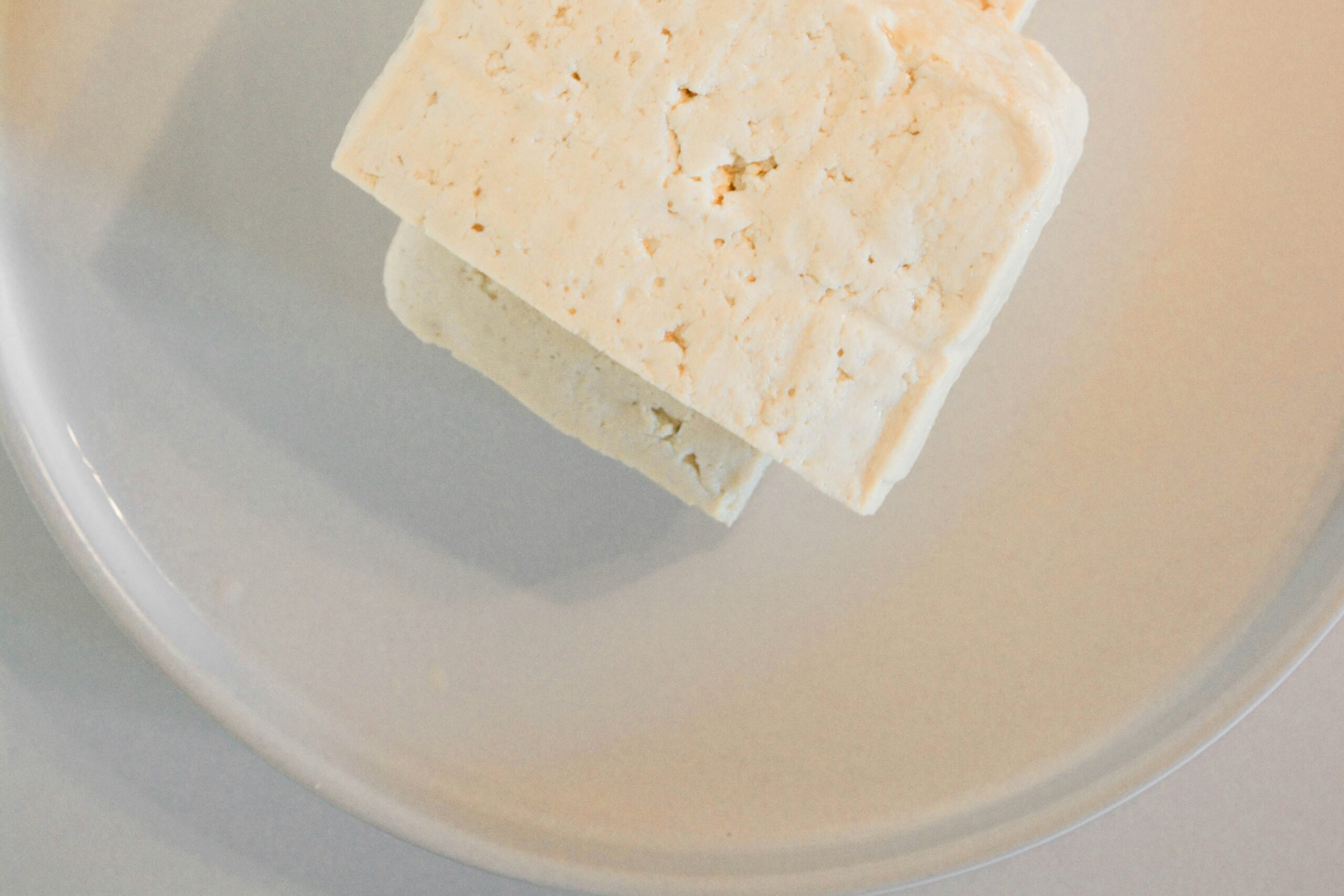
What Is Innovative Soap Formulation?
Innovative soap formulation is the process of designing and testing a soap formula that meets specific goals related to:
- cleansing performance
- skin feel and conditioning
- ingredient profile
- fragrance compatibility
- manufacturing scalability
In commercial manufacturing, formulation is both a chemistry process and a product development process. According to the Personal Care Products Council’s overview of cosmetic formulation and ingredient safety developing personal care products requires careful balancing of ingredients to ensure performance, stability, and safety across large production runs.
Chemists and product developers evaluate how different oils, surfactants, additives, and fragrances interact in order to create a formula that performs consistently and remains stable during production.
For soap manufacturers, this means developing formulas that work not only in the lab but also on the production floor.
Why Custom Soap Formulation Matters for Brands
Many new brands assume soap manufacturing begins with a standard base. While stock bases exist, custom soap formulation gives companies much more control over their final product.
A custom formula allows brands to:
- Create a unique product identity: Ingredient choices can support marketing claims such as natural, vegan, sulfate-free, or dermatologist-tested.
- Improve product performance: Formulation determines lather, cleansing strength, moisturizing properties, and skin feel.
- Ensure fragrance compatibility: Some fragrances interact poorly with certain oils or surfactants. Proper formulation prevents instability or scent distortion.
- Scale production successfully: A formula that works in small batches may behave differently during large-scale manufacturing. Custom formulation helps ensure consistency as production grows.
For emerging brands, these factors often determine whether a product succeeds in retail or e-commerce.
The Custom Soap Formulation Process
Although every manufacturer has its own development process, most custom soap formulation follows several core stages.
1. Product Concept Development
The process begins with defining the product goals. Brands typically provide information such as:
- target skin type
- desired ingredient positioning
- fragrance profile
- product format (bar, liquid, gel)
- performance expectations
These requirements help chemists determine which ingredients and manufacturing processes will work best.
2. Ingredient Selection
Soap formulas are built from a combination of cleansing agents, oils, and functional ingredients.
Common components include:
Base oils or surfactants
These create the cleansing function of the soap.
Conditioning agents
Ingredients such as glycerin or plant oils improve skin feel.
Additives and actives
These may include botanicals, exfoliants, or specialty ingredients.
Fragrance and color
These elements define the product’s sensory experience.
Soap works because surfactant molecules lift oils and debris from the skin so they can be rinsed away with water. The American Cleaning Institute explains how soap works chemically through interactions between water, oils, and surfactant molecules.
Balancing these components requires careful testing to ensure the formula remains stable.
3. Prototype Development
Once ingredients are selected, the formulation team creates initial prototypes.
These early versions allow developers to evaluate:
- lather characteristics
- viscosity or hardness
- scent strength
- skin feel
- shelf stability
Multiple prototypes are often tested before a final formula is selected.
4. Stability and Performance Testing
After a prototype is finalized, manufacturers perform testing to ensure the product remains stable during storage and distribution.
Testing may evaluate:
- temperature stability
- fragrance retention
- color changes
- viscosity shifts
- microbial safety
This stage is essential before moving into full production.
The U.S. Food and Drug Administration notes that cosmetic manufacturers are responsible for ensuring product safety and stability before distribution.
5. Scaling for Manufacturing
The final stage involves adapting the formula for large-scale production.
Scaling a formula requires adjusting processing steps, mixing speeds, and temperature control so the product behaves consistently in commercial equipment.
This step ensures the soap produced in manufacturing matches the product approved during development.

Common Challenges in Soap Formulation
Soap formulation can become complex when brands attempt to balance performance, ingredients, and marketing claims.
Some common challenges include:
Ingredient incompatibility: Certain oils or additives can interfere with surfactants or destabilize the formula.
Fragrance interactions: Fragrance oils can sometimes affect color, viscosity, or curing behavior.
Manufacturing limitations: Some formulas that work in small test batches may not perform well during large production runs.
Working with an experienced manufacturer helps address these issues before production begins.
How Innovation Is Changing Soap Formulation
The soap industry continues to evolve as brands pursue new ingredient trends and sustainability goals.
Recent formulation trends include:
- plant-derived surfactants
- sulfate-free cleansing systems
- biodegradable ingredients
- water-efficient manufacturing processes
These innovations allow manufacturers to develop products that align with changing consumer preferences while maintaining product performance.
Bringing a New Soap Product to Market
For brands entering the personal care market, formulation is one of the most important steps in product development.
A well-designed formula can improve product performance, support marketing claims, and ensure consistent manufacturing as the brand grows.
Innovative soap formulation helps turn product concepts into scalable products that meet both consumer expectations and manufacturing requirements.
Final Thoughts
Custom soap formulation plays a critical role in developing successful personal care products.
By carefully balancing ingredients, testing prototypes, and scaling formulas for production, manufacturers can create soaps that perform reliably and support a brand’s unique identity.
For companies launching new products or refining existing formulas, investing in innovative formulation is often the first step toward building a strong and competitive product line.