
Custom Soap Manufacturing: How Brands Create Unique Soap Products
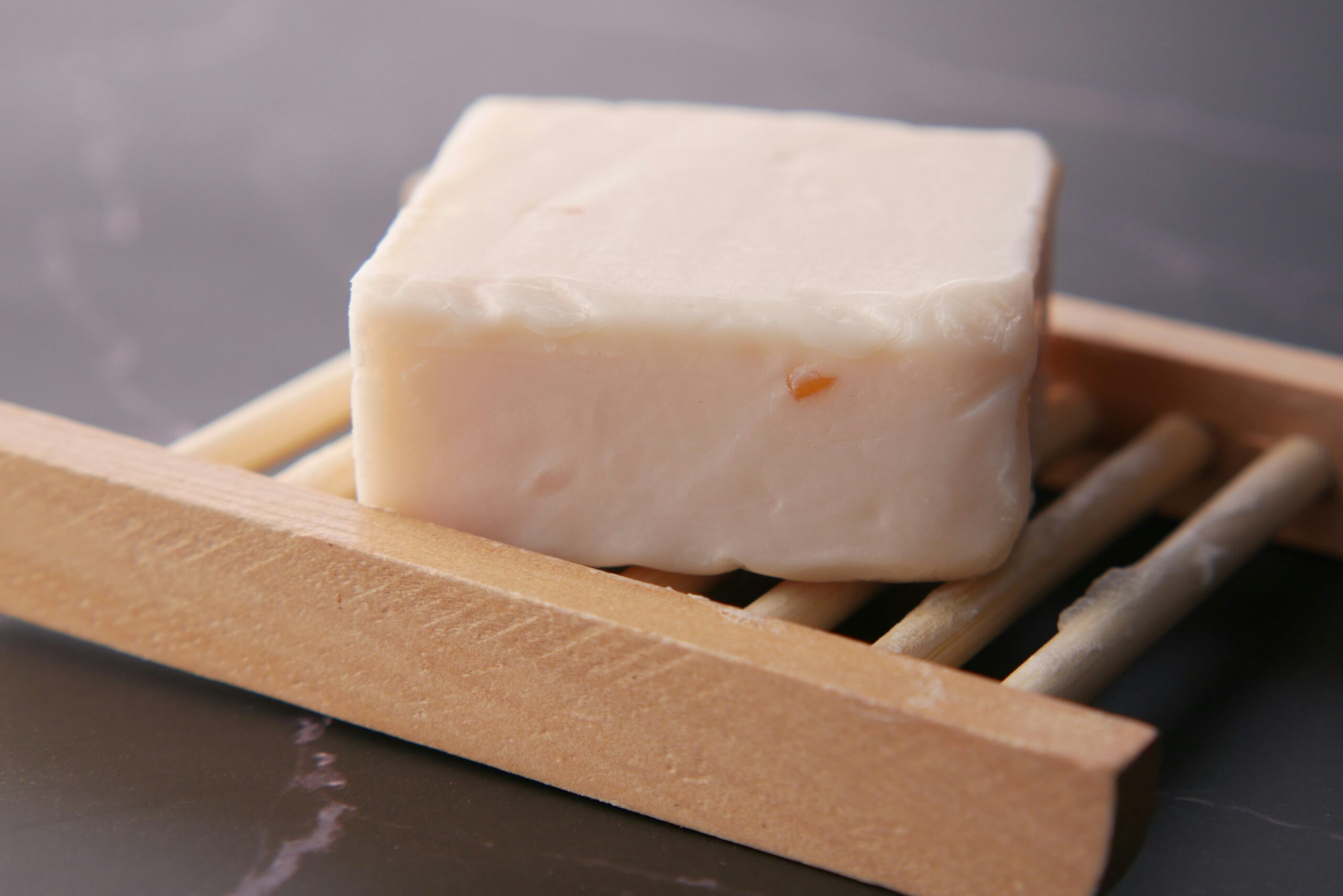
Most successful soap brands are not built on generic products. They are built on custom soap and innovative soap formulations.
Custom soap manufacturing allows brands to create products with unique ingredients, scents, performance characteristics, and branding. Instead of choosing a stock formula, companies work with a manufacturer to design soaps that match their product vision and customer expectations.
For many growing personal care brands, custom development is the step that turns a product concept into a distinctive retail offering.
What Does Custom Soap Mean?
Custom soap refers to soap that is developed specifically for a brand, rather than produced from a standard base used by many companies.
A custom soap manufacturer typically works with a brand to define several important characteristics:
- ingredient profile
- fragrance and color
- cleansing strength
- skin conditioning properties
- product format (bar, liquid, or specialty forms)
This process allows brands to differentiate their products and create a formula that aligns with their marketing, ingredient philosophy, and performance goals.
Custom soap manufacturing also helps ensure the formula can be produced consistently at commercial scale.
How Custom Soap Manufacturing Works
Although every manufacturer has a slightly different process, most custom soap development follows a similar series of steps.
Product Concept and Goals
The process begins with a clear understanding of the product the brand wants to create.
Manufacturers typically ask questions such as:
- What skin benefits should the soap deliver?
- What ingredients or claims are important for the brand?
- What scent profile should the product have?
- What price point should the product reach?
These details help guide formulation and manufacturing decisions.

Ingredient and Formula Development
Once the concept is defined, chemists and product developers begin designing the formula.
Soap formulas often combine several types of ingredients:
- cleansing agents or surfactants
- conditioning oils
- functional additives such as botanicals or exfoliants
- fragrance and color systems
These ingredients must be carefully balanced to create a formula that performs well and remains stable during manufacturing.
The American Cleaning Institute explains how soap works chemically, describing how surfactant molecules lift oils and debris so they can be rinsed away with water.
Understanding this chemistry helps manufacturers build formulas that deliver reliable cleansing performance.
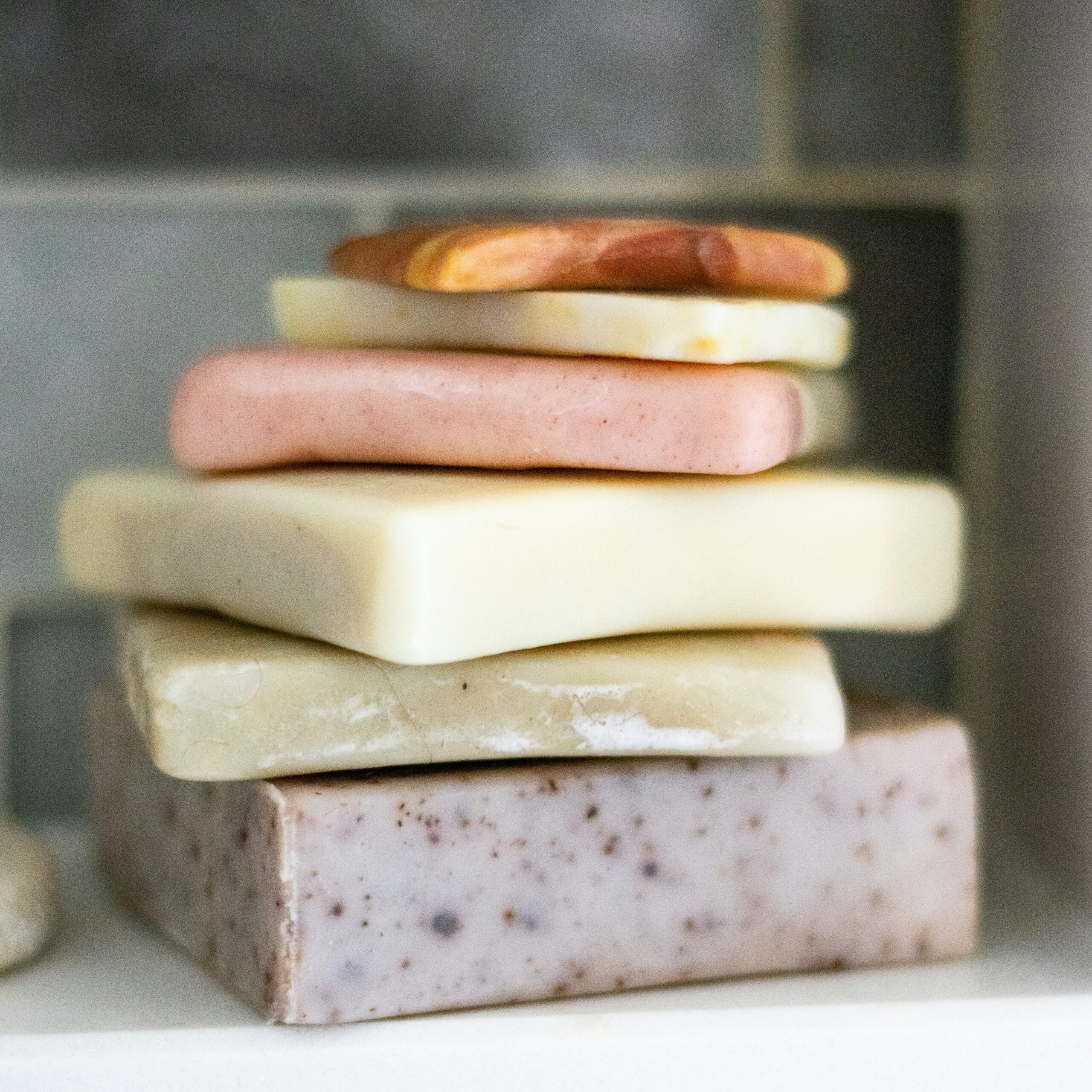
Prototype Testing and Refinement
Once a preliminary formula is created, manufacturers produce prototype batches.
These prototypes allow the development team to evaluate factors such as:
- lather performance
- hardness or viscosity
- fragrance strength
- skin feel
- stability over time
Several rounds of testing may occur before the final formula is approved.
Product stability and safety are critical parts of the development process. The U.S. Food and Drug Administration explains that cosmetic companies are responsible for ensuring product safety before marketing their products.
This stage helps identify potential issues before large-scale production begins.
Custom Soap vs Private Label Soap
The terms custom soap and private label soap are sometimes used interchangeably, but they are not exactly the same.
Private label soap typically refers to products manufactured for a brand but sold under that brand’s label. Some private label products use stock formulas, while others are custom-developed.
Custom soap manufacturing focuses specifically on developing a unique formula for a brand.
Brands often choose custom development when they want greater control over ingredients, product positioning, and performance.
Why Brands Choose Custom Soap Manufacturing
There are several reasons companies pursue custom soap development rather than stock formulas.
Product differentiation: Unique formulations allow brands to create distinctive products that stand out in competitive markets.
Ingredient transparency: Brands can select ingredients that support claims such as natural, plant-based, or sulfate-free.
Performance optimization: Custom formulas allow manufacturers to optimize lather, cleansing strength, and skin feel.
Manufacturing scalability: A custom formula developed with a manufacturer is designed to perform reliably during large production runs.
Working with experienced manufacturers helps brands navigate these technical challenges.
Choosing the Right Custom Soap Manufacturer
Selecting a manufacturing partner is one of the most important decisions for a brand developing new products.
Companies should evaluate several factors:
- formulation expertise
- manufacturing capacity
- quality control processes
- regulatory knowledge
- communication and development support
Manufacturers who offer comprehensive services can often guide brands from early formulation through full-scale production.
Bringing Custom Soap Products to Market
Custom soap manufacturing allows brands to move beyond generic products and develop formulas that reflect their unique vision. Through formulation development, prototype testing, and scalable production, manufacturers help turn product ideas into reliable, market-ready products.
For brands entering the personal care market, working with an experienced manufacturer can make the difference between a product that struggles to scale and one that performs consistently in production and in the hands of customers.
At Vanguard Soap, custom soap development is built around decades of formulation expertise, large-scale manufacturing capability, and a deep understanding of how soaps perform in real production environments. Our team works with brands to design, test, and manufacture products that are both distinctive and scalable.
If you’re exploring custom soap manufacturing or developing a new personal care product, our team can help turn your concept into a finished product ready for market. Contact us for a consultation!