
Turnkey Soap Manufacturer: What It Means and Why Brands Choose It

What Is a Turnkey Soap Manufacturer?
Launching a soap product sounds simple at first. Come up with a scent, design a label, and start selling.
In reality, bringing a soap product to market involves a lot more moving parts. Formulation, ingredient sourcing, testing, manufacturing, packaging, and regulatory considerations all have to line up before the first bar ever reaches a customer.
That is where a turnkey soap manufacturer comes in.
A turnkey partner manages the entire process from concept to finished product. Instead of coordinating several different vendors, brands work with one experienced manufacturer who guides the development, production, and launch of the product.
For companies entering the personal care space, this approach can remove a surprising amount of complexity.
What “Turnkey Manufacturing” Really Means
The term turnkey manufacturing simply means that a product is delivered ready to sell. The brand provides the concept and direction, while the manufacturer handles the technical and operational work required to produce it.
In soap manufacturing, that often includes:
- formulation development
- ingredient sourcing
- batch production
- product testing
- packaging coordination
- regulatory guidance
Instead of piecing together these steps across multiple companies, brands work with a single partner who keeps everything moving in the same direction.
That kind of coordination becomes especially valuable when development timelines are tight or when production begins to scale.
The Core Services of a Turnkey Soap Manufacturer
Every manufacturer operates a little differently, but most turnkey soap manufacturers provide several core services that cover the entire product lifecycle.
Formulation and Product Development
Every soap product begins with formulation. This is where chemists and product developers determine how the product will perform, feel, and behave in production.
The formula must balance ingredients that cleanse effectively while maintaining stability, skin feel, and fragrance compatibility.
In other words, formulation is both science and problem solving.
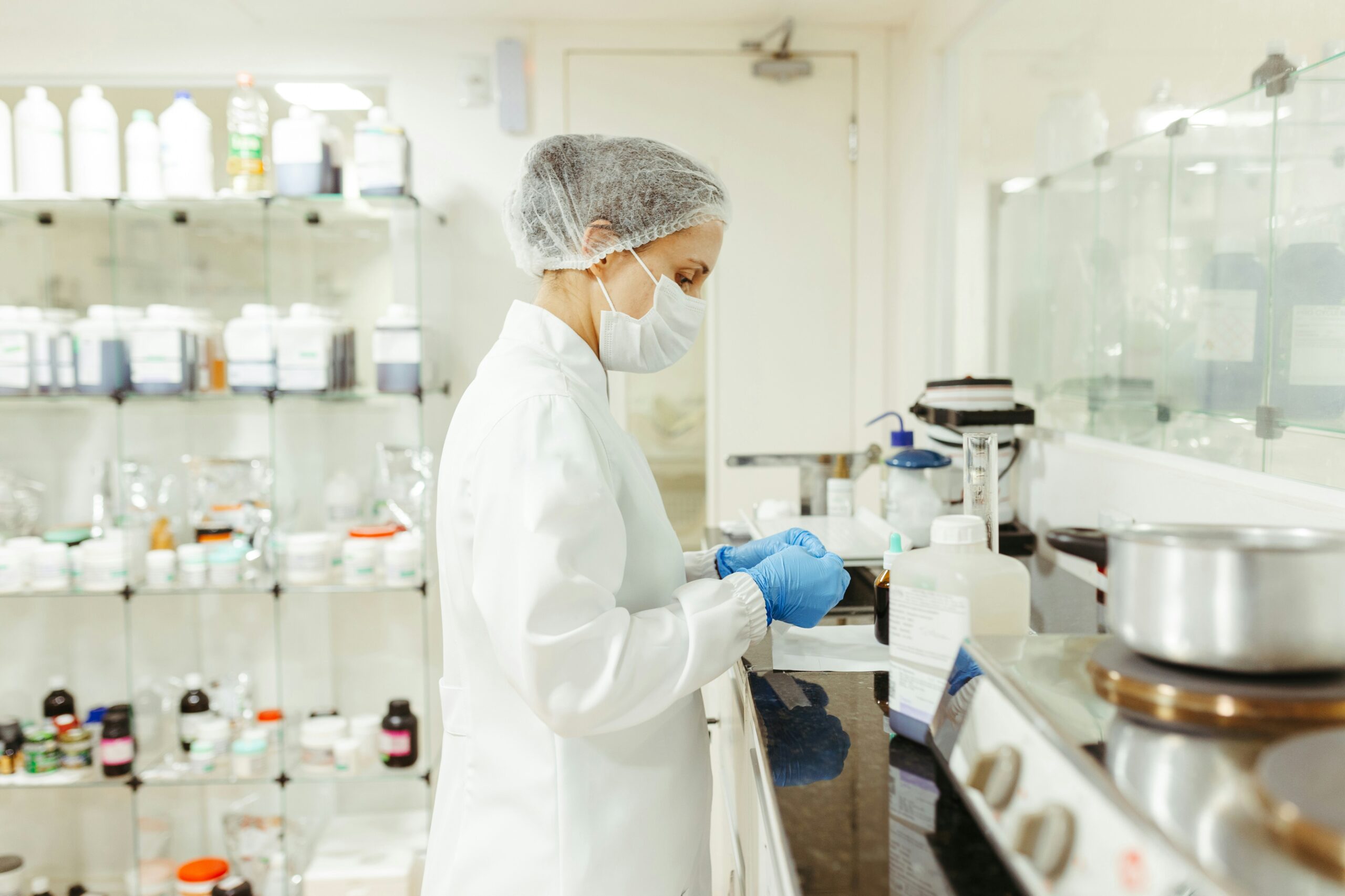
Ingredient Sourcing and Supply Chain Support
Soap may look simple on the outside, but the ingredients behind it require careful sourcing.
Manufacturers must obtain oils, surfactants, fragrances, and specialty additives from reliable suppliers. Each ingredient must meet quality standards and remain available for future production runs.
Established manufacturers typically maintain supplier networks that help keep production consistent and predictable.
As brands grow, this supply chain stability becomes increasingly important.
Manufacturing and Production
Once a formula is finalized, production moves to large-scale equipment.
Ingredients are mixed, heated, blended, poured, or pressed depending on the manufacturing method. Throughout this process, production teams carefully control temperature, mixing speed, and timing to ensure consistent batches.
Soap chemistry plays a major role here. The American Cleaning Institute explains how soap molecules interact with oils and water to create cleansing action.
Understanding that chemistry allows manufacturers to scale formulas without sacrificing performance.
Testing, Quality Control, and Compliance
Before a soap product ever reaches store shelves, it must go through testing and quality verification.
Manufacturers evaluate stability, fragrance retention, color changes, and shelf life. This helps ensure products remain consistent during storage and distribution.
In the United States, cosmetic companies are responsible for ensuring the safety of their products. The FDA explains that manufacturers must substantiate cosmetic safety before marketing products to consumers.
Quality testing is what protects both the brand and the consumer.
Why Brands Choose Turnkey Manufacturing
For many companies, turnkey manufacturing simply makes the entire product launch process easier.
Instead of building a complex network of suppliers, brands gain access to a partner who already understands the process.
The biggest advantages usually include:
Faster product launches: When formulation, production, and testing happen under one roof, development timelines often move faster.
Fewer moving parts: Working with one manufacturer reduces communication gaps and logistical challenges.
More consistent quality: Integrated processes help ensure every production batch matches the intended formula.
Technical guidance: Experienced manufacturers help brands avoid common mistakes during formulation and scaling.
Choosing the Right Manufacturing Partner
Not all turnkey manufacturers operate the same way. The right partner should offer both technical expertise and manufacturing capability.
Brands should evaluate:
- formulation experience
- manufacturing capacity
- quality control systems
- regulatory knowledge
- communication during product development
A manufacturer that understands both the science and the production process can help guide brands through challenges before they become costly mistakes.

Bringing Soap Products to Market
Launching a soap product involves far more than mixing ingredients. Successful products require thoughtful formulation, reliable production, and careful quality control.
At Vanguard Soap, turnkey manufacturing combines decades of formulation experience with large-scale production capabilities. Our team works closely with brands to move products from early concept through full manufacturing while maintaining the consistency and performance that successful products require.
If you’re exploring turnkey soap manufacturing, working with an experienced partner can help ensure your product is developed, tested, and produced with the expertise needed to bring it to market with confidence. Contact Vanguard Soap today!